As part of the project, samples intended for research in the aerospace and transport sectors were prepared, reflecting the actual operating conditions of these industries. Both reference samples, serving as a baseline in analyses, and test samples, in which artificial defects of various shapes and sizes were deliberately introduced, were created.
The defects included:
-metallic inclusions,
-presence of moisture,
-mechanical damage,
-damage to external and internal coatings.
Such prepared samples enabled a realistic assessment of the effectiveness of thermographic methods in detecting material discontinuities and damages that may occur in structural components used in aviation and transport.
For research purposes and for the development of a calibration method using active infrared thermography, a set of reference samples was prepared – plates with dimensions of 300 × 300 mm and thicknesses ranging from 3 mm to 15 mm, made of various solid materials. Examples are listed in Table 1 and shown in Figure 1.
Table 1 Benchmark reference materials
| Type | Thickness |
| PMMA | 10-15 mm |
| GFRP | 5-10 mm |
| CFRP | 5-10 mm |
| Stainless steel | 3-5 mm |
| Aluminium | 3-5 mm |

Fig.1. Plates of reference materials: PMMA, GFRP, CFRP, steel, aluminium
In each reference material, 25 blind holes and 10 grooves were made. In this way, a series of defects of two shapes was obtained by increasing the diameter at the same defect depth and, correspondingly, increasing the defect depth at the same hole diameter.
A similar principle was applied to the grooves – resulting in 10 combinations. The prepared samples were dimensioned at the Laboratory of the Central Office of Measures, and the topology of the plates is legally protected in Poland as an industrial design.
In addition to solid materials, composite specimens were prepared, with a multilayer structure, examples of materials are shown in Table 2 and Figure 2.
Table 2 Composite test materials
| Surface layer material | Material of honeycomb structure |
| Aluminium | Aluminium |
| Laminate (glossy black)/resin | Aluminium |
| Fibreglass (grey) | Aluminium |
| Plywood | Polypropylene |
| Carbon fibre (black) | Aramid |
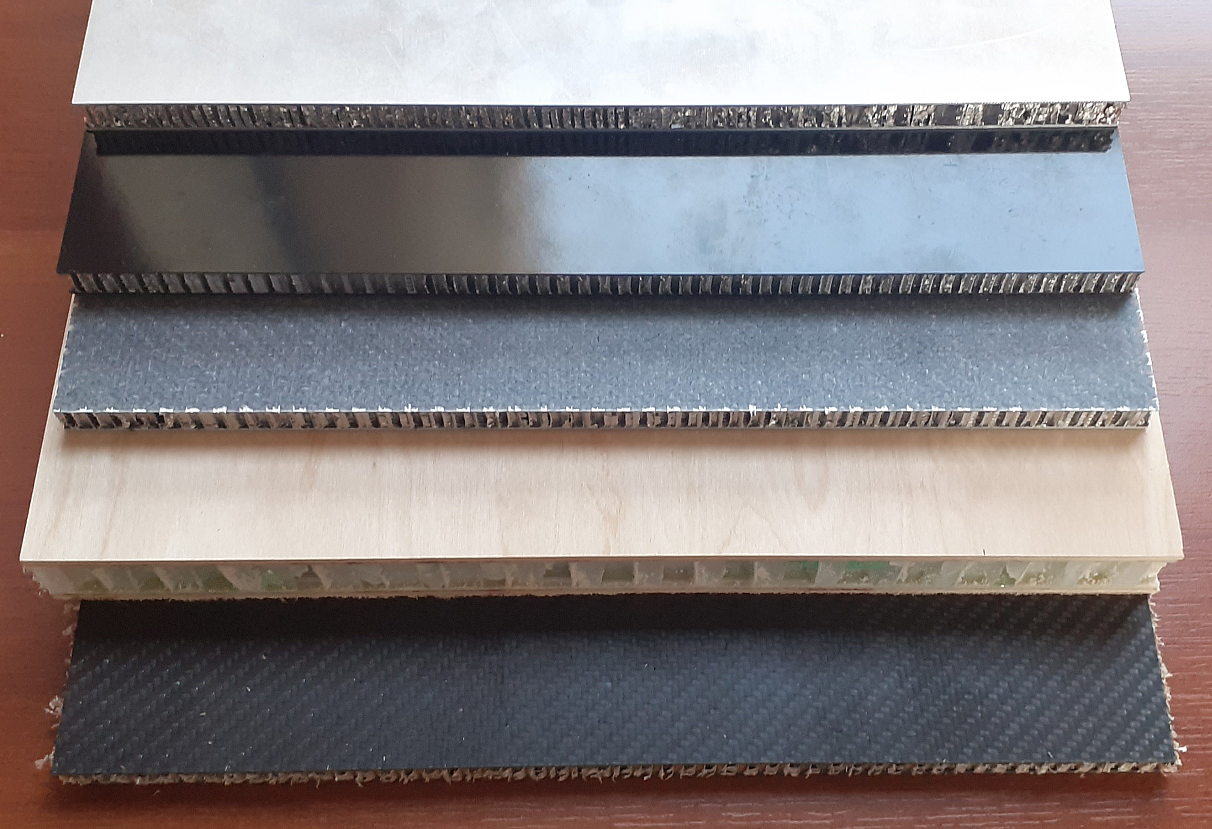
Fig. 2. Samples made of composite materials (from left in order from Table 2.)
Each specimen was carefully dimensioned and characterised in terms of the parameters of the materials used, to ensure reproducibility.
Various types of artificial defects were introduced into the test samples. Figure 3 shows an example of a GFRP&ALU sample with defects.
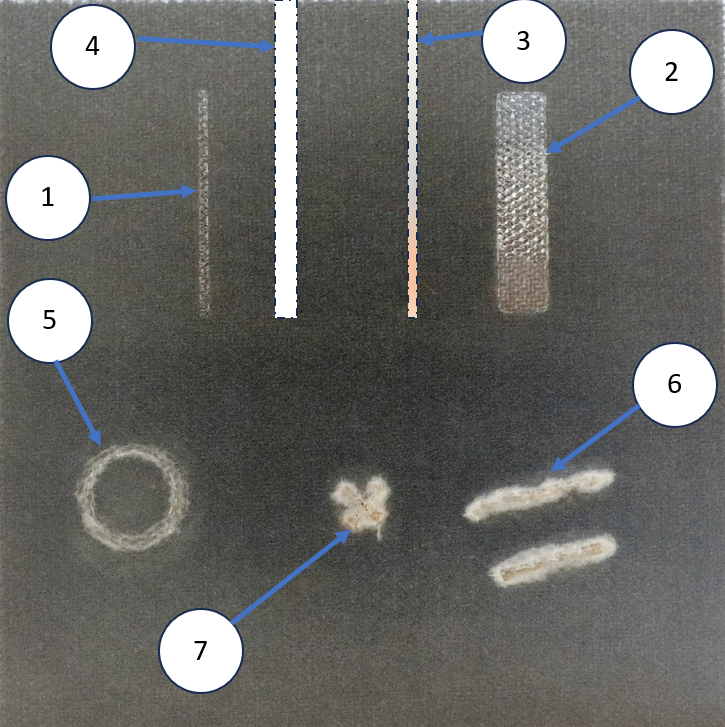
Fig.3. Specimen PTEST_GRFP_ALU containing artificial defects
Location, Shape, and Nature of Artificial Defects
A test plate with dimensions 30 × 30 cm was prepared. The outer layers are made of glass fiber, while the inner layer forming a honeycomb structure is made of aluminum.
The plate contains defects created by removing the top laminate layer:
(1) – a rectangular opening measuring 3 × 90 mm,
(2) – a rectangular opening measuring 20 × 90 mm.
In opening (2), the aluminum structure is visible, showing a characteristic taper of the material from the upper laminate layer down to the lower layer.
Additionally, the test sample includes further defects:
(3) – a steel rod with a diameter of ø 4 mm,
(4) – a blind hole in the aluminum layer with a diameter of ø 8 mm,
(5) – a defect created by striking with a steel sleeve of ø 40 mm,
(6) and (7) – irregularly shaped defects formed by impact with a sharp tool.
Copyright © Politechnika Częstochowska. Wszystkie prawa zastrzeżone.
 Politechnika Częstochowska uczelnią dostępną.